Screening isn’t about panic. It’s not a red flag. It’s not something you only do when you feel sick. Screening is the quiet, consistent check-in your body needs before it screams for help. Every year, millions of people skip routine screenings because they think, "I feel fine." But feeling fine doesn’t mean you’re healthy. Many serious conditions-like colon cancer, high blood pressure, or early-stage diabetes-show no symptoms until they’re advanced. That’s why screening exists: to catch what you can’t feel.
Some people look for quick fixes or distractions-like searching for esxorte paris-but real health doesn’t come from temporary escapes. It comes from knowing your numbers, your risks, and your body’s patterns. Screening gives you that clarity. It’s not glamorous. It doesn’t make headlines. But it saves lives.
What Screening Actually Does
Screening tests don’t diagnose. They flag. They say, "Something’s off. Let’s look closer." A mammogram doesn’t tell you you have breast cancer. It shows an abnormal shadow. A stool test doesn’t say you have colon cancer-it finds hidden blood. Those are starting points, not endings. And that’s the whole point. Catching problems early means simpler treatments, fewer side effects, and higher survival rates.
For example, colorectal cancer is the third leading cause of cancer death in the U.S. But when caught early through a colonoscopy or FIT test, the five-year survival rate jumps to over 90%. That’s not magic. That’s screening.
Common Screenings You Should Know About
Not everyone needs every test. But here are the most important ones based on age, gender, and risk factors:
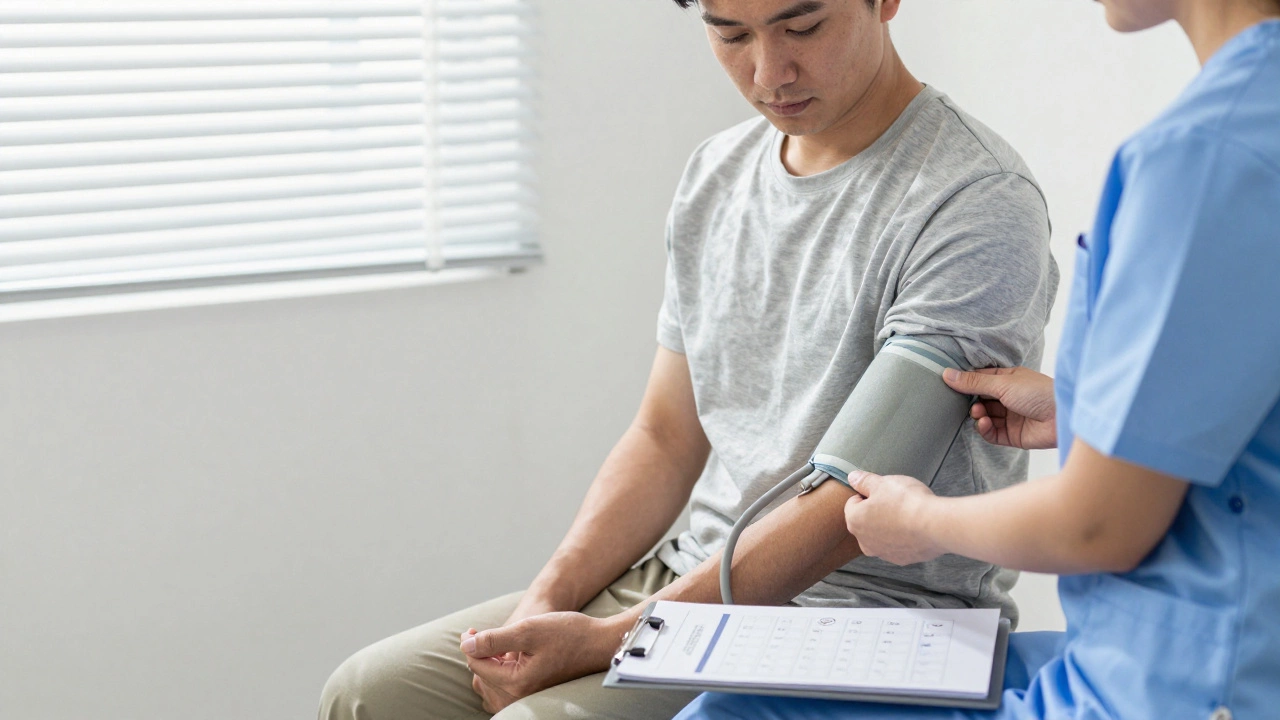
- Blood pressure check: Every two years after 18. More often if it’s high. High blood pressure kills silently-no symptoms, no warning.
- Cholesterol test: Start at 20. Repeat every 4-5 years. High cholesterol doesn’t make you feel bad. But it clogs your arteries.
- Colorectal cancer screening: Start at 45. Options: colonoscopy every 10 years, FIT test yearly. Don’t wait for blood in stool.
- Mammogram: Women 40-74: every 1-2 years. Breast cancer is the second most common cancer in women. Early detection cuts death risk by 40%.
- Diabetes screening: If you’re overweight or have a family history, get tested at 35. Prediabetes is reversible-if you catch it.
- Sexually transmitted infections (STIs): Annual testing if sexually active, especially with new partners. Many STIs show no symptoms.
These aren’t optional extras. They’re baseline health maintenance-like oil changes for your car. Skip them, and you risk breakdowns you didn’t see coming.
Why People Avoid Screening
Let’s be honest: no one loves getting poked, prodded, or asked to swallow a pill that turns your poop green. But the real reasons people avoid screenings are deeper than discomfort.
Some fear the result. They’d rather not know. Others don’t have time. Or they think it’s too expensive. A lot of people just don’t understand how simple and quick most screenings are. A blood draw takes five minutes. A stool test? You do it at home in your bathroom.
And then there’s denial. "I’m young." "I eat healthy." "My grandpa lived to 90." But genetics, environment, and lifestyle don’t always align. Screening cuts through the noise. It gives you facts, not feelings.
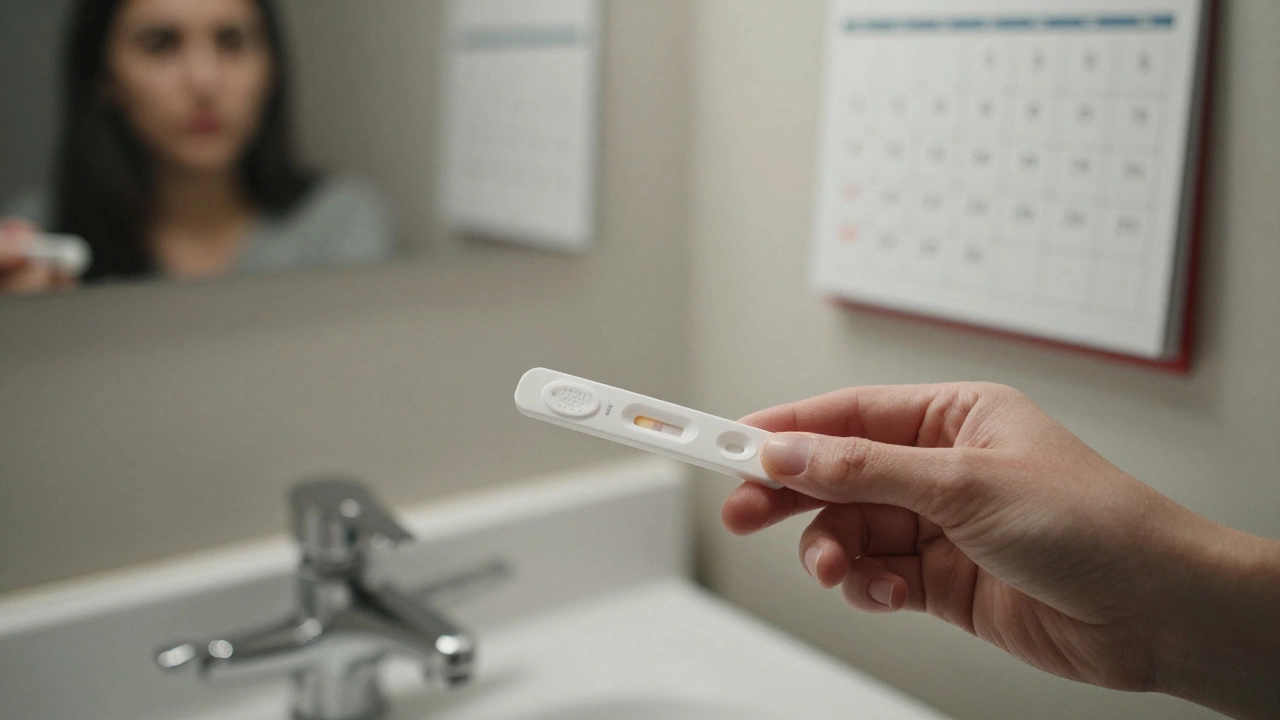
What Happens When You Skip It
Every year, over 100,000 Americans die from colorectal cancer. Most of them didn’t get screened. Around 20% of breast cancer deaths happen because mammograms were delayed or skipped. Hypertension kills 500,000 people annually in the U.S.-and most didn’t know they had it.
These aren’t rare tragedies. They’re preventable. Screening doesn’t guarantee you won’t get sick. But it gives you the best shot at surviving it.
One woman I know waited three years to get a mammogram because she was "too busy." When she finally went, the tumor was the size of a walnut. She needed chemo. Lost her job. Lost her hair. But she’s alive. Because she went. She didn’t wait for pain.
How to Start Screening
You don’t need a doctor’s order to begin. Most primary care providers will walk you through what’s right for you. But if you’re not sure where to start:
- Check your age and gender. Use the CDC’s screening guidelines as a baseline.
- Write down your family history. Diabetes? Cancer? Heart disease? That changes your risk.
- Call your doctor’s office. Ask: "What screenings do I need right now?" They’ll tell you.
- Set a reminder. Put it in your calendar. Don’t rely on memory.
- Follow up. If a test comes back abnormal, don’t ignore it. That’s not the end-it’s the beginning of action.
Screening isn’t about being perfect. It’s about being consistent. One missed year doesn’t ruin everything. But years of skipping? That’s how you lose.

Screening Isn’t Just for Physical Health
It’s also emotional. Mental health screenings-like depression and anxiety questionnaires-are just as important. You wouldn’t ignore a broken leg. Why ignore a broken mood? Many clinics now include mental health check-ins during annual visits. Ask for them. They’re quick. They’re private. And they matter.
And yes, some people look for ways to escape the weight of daily stress-like searching for scort girl paris. But real relief doesn’t come from distraction. It comes from facing what’s real. Screening helps you do that-with your body, your mind, your future.
What Screening Doesn’t Do
Screening won’t cure you. It won’t reverse damage. It won’t replace a healthy diet, exercise, or sleep. It won’t stop you from getting sick. But it gives you time. Time to act. Time to change. Time to choose.
It also doesn’t mean you have to do everything at once. Start with one. Get your blood pressure checked. Then your cholesterol. Then your colon test. Build the habit. One step at a time.
And if you’re worried about cost: many screenings are free under the Affordable Care Act. Community clinics offer low-cost options. Some pharmacies run free blood pressure and glucose checks. You don’t need insurance to care for yourself.
The Real Reason to Screen
It’s not about living longer. It’s about living better. It’s about having the energy to play with your kids. To travel. To work. To laugh without pain. To wake up and not wonder if today’s the day something breaks.
Screening is the quiet act of choosing your future. It’s the difference between hearing "We caught it early" and "It’s too late."
And if you’ve been putting it off? Do it now. Not next month. Not after the holidays. Today. Your future self will thank you.
Some people search for escrt paris to fill a void. But the void you can’t ignore is the one inside your body. Don’t wait for it to scream. Listen before it’s too loud.